
Innovations in Coal Drying Technology Enhance Efficiency and Environmental Compliance
Release time:
Oct 15,2025
The management of high-moisture coal remains a critical challenge for energy-intensive industries worldwide. Excess water in raw coal significantly reduces its calorific value, increases transportation costs, and exacerbates emissions during combustion. This is where the advanced Coal dryer technology plays a transformative role.
The management of high-moisture coal remains a critical challenge for energy-intensive industries worldwide. Excess water in raw coal significantly reduces its calorific value, increases transportation costs, and exacerbates emissions during combustion. This is where the advanced Coal dryer technology plays a transformative role. Modern Coal dryer systems are engineered to efficiently reduce the moisture content of coal through sophisticated thermal drying processes, delivering substantial operational and environmental benefits.
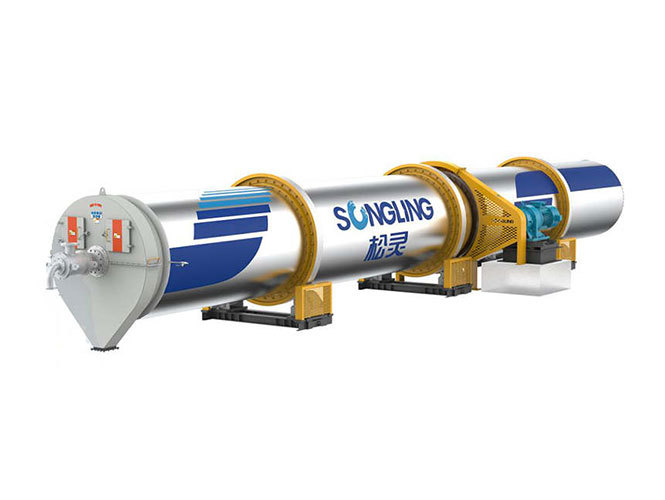
The primary function of a Coal dryer is to apply controlled heat to vaporize and remove surface and inherent moisture from raw coal. This process dramatically increases the net calorific value of the fuel, meaning more energy is generated per unit of coal consumed. For power plants and industrial boilers, this translates directly into higher thermal efficiency, lower fuel consumption rates, and reduced greenhouse gas emissions. Furthermore, by lowering the water content, the Coal dryer minimizes the risk of coal freezing during transit in cold climates and reduces unnecessary weight, leading to significant logistics and transportation cost savings.
The application of Coal dryer technology spans several key sectors. In the power generation industry, dried coal ensures more stable and efficient combustion in pulverized coal boilers, improving overall plant efficiency. The metallurgical industry utilizes dried coal for coke production, where precise moisture control is essential for producing high-quality coke required in blast furnaces. Similarly, in the chemical industry, dried coal is a more effective feedstock for gasification and synthesis processes. The cement industry also benefits from using dried coal, as it provides a more consistent and powerful flame in rotary kilns, enhancing the clinker production process. The adoption of this technology is a strategic move for operations aiming to lower their carbon footprint, improve profitability, and adhere to increasingly stringent environmental regulations concerning emissions and combustion efficiency.
Related News
Share
Contact Us
No. 28 Liuzhou Road, Jiaozhou, Qingdao, Shandong, China

Material Cooling, Drying and Conveying Solutions


© Qingdao Songling Environmental Technology Co.,Ltd.